



Radio’s international role in security and access to news has been placed firmly in focus by senior BBC figures amid growing global instability.

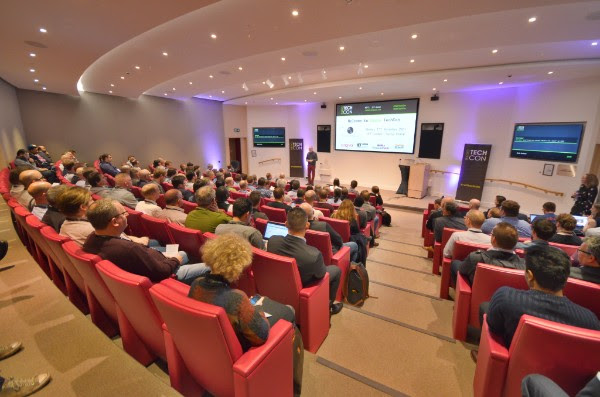
Speaking at the Global Media Security and Innovation 2026 event, organised by the BBC World Service, Director-General Tim Davie warned that the ability to distribute journalism is now as critical as producing it, particularly in countries facing conflict, censorship and disinformation.
He told delegates that “Media security means two things: the ability to produce journalism and the means to deliver it,” stressing that access determines whether journalism can fulfil its public purpose. Tim said the BBC World Service remains central to discussions around the Corporation’s future as part of the Royal Charter review, at a time when its current funding settlement with the Foreign Office is approaching its end.
The BBC World Service broadcasts in forty three languages and reaches an average weekly audience of 418 million people worldwide. Tim argued its role is expanding as audiences increasingly rely on impartial reporting during periods of insecurity, while other international news organisations reduce overseas operations and state backed outlets expand their influence using new technology.
BBC News Global Director Fiona Crack focused on the growing challenges around distribution, warning that trusted content is under threat from deliberate interference. She said, “The BBC is blocked, jammed, throttled or subject to shutdowns in an escalating number of countries.”
Fiona called for greater innovation and long term investment in reaching audiences, describing enhanced distribution routes as essential rather than optional. Both speakers urged decisive government backing to ensure the World Service can continue to operate effectively in a rapidly changing global media environment.