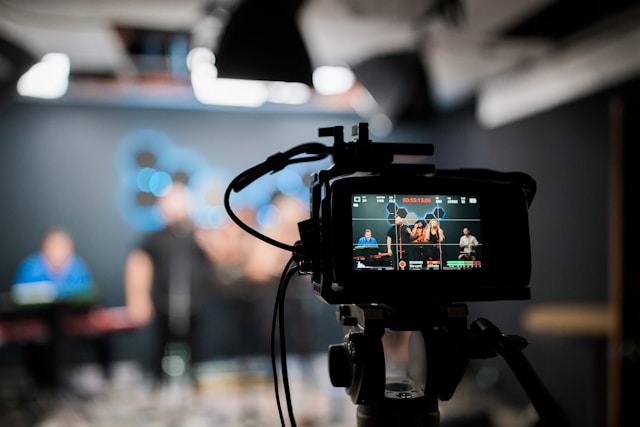





Broadcast studios and media offices use a lot of soft flooring.
Carpets help with sound. They make rooms feel less harsh during long shifts. Upholstered chairs in green rooms and shared spaces add even more fabric into the mix. Looks good, works for acoustics, but it collects dirt fast.

People walk through these spaces all day. Shoes bring in street grime. Food crumbs appear where they shouldn’t. Dust settles, then disappears into fibres. A quick vacuum helps, but it only deals with what’s on the surface. The deeper stuff stays put.
Over time that build-up starts to matter. Movement pushes fine dust back into the air. Staff notice the effects, including dry throat, irritation, and a heavy indoor feeling. In studios, this can reduce comfort during long sessions. Particles don’t just stay in carpets either. They move around the room and settle on equipment and vents.
That’s why many London media workplaces include periodic professional textile cleaning as part of routine facilities care, sometimes bringing in specialist providers such as Prolux Cleaning when regular maintenance is no longer enough.
Daily And Weekly Textile Maintenance In Shared Workspaces
Open-plan newsrooms, production suites, and reception areas experience constant movement. Cables shift, equipment moves, and food ends up near desks despite policies. Daily textile care focuses on stopping dirt from working deep into fibres.
Light, frequent maintenance reduces the need for disruptive deep cleaning during busy broadcast schedules. A quick pass over high-traffic areas takes little time. Leaving those areas untreated for days allows soil to settle deeper, making later cleaning more intensive.
Facilities teams should follow these basic daily and weekly habits:
- Daily vacuum of traffic lanes only;
- Spot clean visible spills fast;
- Check cable paths for debris;
- Rotate chair positions weekly;
- Brush entrance mats each evening;
- Keep food zones away from carpets.
These steps are easy to delegate and take little time. Office managers can train reception and admin staff to handle spot cleaning between professional visits. The result is carpets that look better, last longer, and release fewer particles into the air.
Deep Cleaning Cycles For Carpets And Upholstery
Carpets in corridors, edit rooms, and breakout areas take the most abuse. Chairs roll back and forth. Equipment gets dragged across the floor. Dirt from outside comes straight through the entrance. A quick vacuum doesn’t fix that.
How often you deep clean depends on how the space is used. Busy corridors might need attention every few months. Studios and meeting rooms usually cope with one or two proper cleans a year. Quiet offices can go longer if they stay tidy.
The cleaning method matters too. Hot water extraction pulls out deep dirt, but drying can take ages. That’s a problem in studios that never really shut down. Low-moisture systems are easier to manage because floors can be used again almost straight away. Not perfect for every stain, but practical when downtime isn’t an option.
An annual plan for a typical London media office might look like this:
- Q1: Entrance and stair carpets;
- Q2: Meeting rooms and studios;
- Q3: Upholstery and office chairs;
- Q4: Full review and spot fixes.
Coordination with HR and programming teams is essential. Schedule noisy extraction work outside live broadcast hours. Book weekend slots for studio work if possible. Alert staff to temporary access restrictions. A deep clean that disrupts a live show costs more than any cleaning contract.
Managing Allergens, Dust, And Indoor Air Quality
Allergens build up quickly in office and studio textiles. Carpet fibres trap dust, pollen, and other fine particles that arrive daily on clothing and through ventilation. Without removal, these pollutants remain in place and accumulate over time.
Carpets can reduce airborne circulation by holding particles, but only when cleaning happens regularly. Without consistent vacuuming and periodic deep treatment, textiles turn into reservoirs that release dust back into the air with movement.
Poor indoor textile hygiene affects staff comfort and performance. Dusty environments contribute to throat irritation, fatigue, and voice strain for on-air talent. HEPA-filtered cleaning has been shown to reduce allergen levels significantly in controlled office settings.
Facilities managers can take these practical steps:
- Use HEPA-rated vacuum equipment;
- Increase vacuuming near air returns;
- Combine filter changes with cleaning;
- Log complaints about air quality;
- Measure humidity in studios;
- Restrict fabric in server rooms.
HEPA systems trap 99.97 percent of particles down to 0.3 microns. Standard vacuums often recirculate 10 to 20 percent of what they pick up. For studios with air quality concerns, the equipment upgrade pays for itself in reduced complaints and healthier staff.
Fabric Choices And Wear Patterns In High-Traffic Zones
Broadcast spaces often use carpet tiles and woven fabrics because they help absorb sound and make long shifts more comfortable. Some fibres handle wear better than others, especially in areas where chairs and equipment move all day. Colour and pattern also matter, since darker tones and busier designs hide dirt better in high-traffic spots.
Consider this guidance on specification and placement:
- Use darker tones near doors;
- Select tiles for easy replacement;
- Avoid plush pile under castors;
- Choose wipeable arms on chairs;
- Place runners under cable routes;
- Test fabrics with sample staining.
A London radio lobby installed in 2022 with modular carpet tiles demonstrates the approach well. Facilities staff can swap individual tiles as stains or wear appear, avoiding full replacement for years. The initial investment was higher. The lifetime cost is lower. Pride in appearance stays intact without budget blowouts.
Working With Professional Cleaning Contractors
Media workplaces often rely on external contractors for periodic textile cleaning. These sites combine sensitive equipment, restricted access, and tight production schedules, so expectations must be clear before work begins.
Defining Scope, Access, And Sensitive Areas
Recording schedules restrict noise, secure rooms limit entry, and technical equipment requires careful movement. Contractors should complete a site survey to review fibre types, access points, and cable routes. Studios, voice booths, server rooms, and control areas may require quieter or dry-cleaning methods, so a short pre-job walkthrough helps avoid costly errors.
Planning points facilities teams should cover before signing a contract:
- Agree quiet hours for work;
- Map no-go cable routes;
- Confirm drying targets per room;
- Share security and pass rules;
- Align dates with maintenance windows.
Clear, written agreements help both sides work efficiently and reduce misunderstandings.
Conclusion
Textiles in studios and media offices take more wear than most people realise. Dust, traffic, and long operating hours add up fast. Small daily habits and occasional deeper cleaning keep things under control and prevent bigger problems later.
When floors and soft furnishings are looked after properly, rooms feel more comfortable and equipment stays cleaner. In busy media environments, that kind of basic maintenance helps everything run a bit more smoothly.