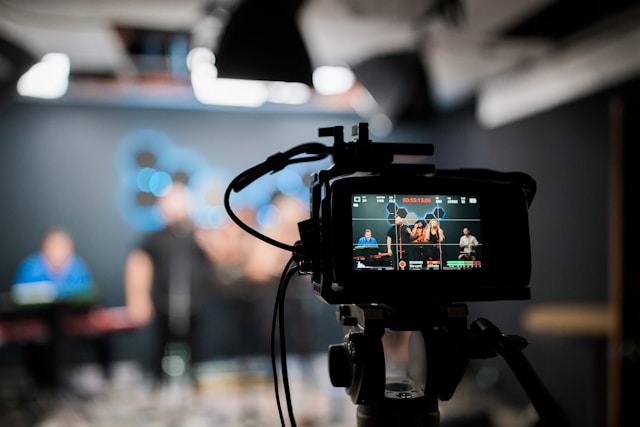




The growth of digital streaming platforms changed how people consume media, but sports radio continues to command huge audience figures.
Stations like talkSPORT, BBC Radio 5 Live and Times Radio remain essential parts of the weekly routine for millions of UK sports fans. These broadcasters manage to hold their ground even when video highlights and live streams are only a click away.

The secret to this enduring success lies in the unique relationship between the hosts and their audience. Fans don’t merely want the bare facts of a game. They want companionship and immediate reactions during a match. Read ahead to see how these audio stations keep the nation hooked.
Why Second-Screen Habits Support Live Audio
Modern sports fans rarely give a broadcast their undivided attention. Instead of sitting quietly in front of a screen, they prefer to use multiple devices at once. This second-screen habit actually benefits radio stations. Listeners frequently pair a live audio feed with a digital outlet to check live scores, look up player statistics or track racing forms.
This dual consumption creates a complete experience for the fan. In fact, horse racing followers often track live coverage on the radio while checking odds and analysis on their phones. Many fans use trusted platforms like Sporting Life to view racecards and expert tips during the build-up to a big event. This combination of audio commentary and digital data is enough to keep users engaged for hours.
The same pattern appears during major football fixtures. Fans listen to the match analysis on talkSPORT or BBC 5 Live while checking social media or group chats on their smartphones. This means radio doesn’t compete with digital screens. Instead, it acts as the perfect audio companion to the digital activity happening on a listener’s phone.
Host Chemistry Creates a Digital Community
The distinct personalities on sports radio play a massive part in keeping audiences loyal. Traditional automated playlists cannot replicate the natural banter between former professionals and experienced broadcasters. When a listener tunes into talkSPORT breakfast or a Times Radio sports segment, they join a familiar conversation.
The chemistry between hosts creates an authentic connection that algorithms cannot match. It’s also worth noting that callers can phone in to vent their frustrations after a poor performance, which adds a layer of unpredictable entertainment.
This human element provides a sense of community that streaming music or podcasts often lack. Radio hosts react to breaking news in real time, giving immediate analysis right after a final whistle. This instant connection makes traditional radio the first choice for fans who want to share the emotional highs and lows of a sporting event.
Live Event Schedules Fit Daily Routines
Live events have fixed times, which gives radio stations a structured advantage. Whether it’s an evening football match or a weekend race, broadcasters build their schedules around these tentpole events. This structure creates a reliable appointment for the listener.
Radio also offers a level of convenience that video streams cannot match. After all, you cannot safely watch a live stream while driving home from work or completing DIY projects around the house. Radio solves this problem by delivering high-quality action wherever you are.
There are several reasons why audio schedules fit so well into the busy lives of modern sports fans:
- Broadcasters offer continuous pre-match coverage that builds anticipation hours before kick-off.
- Post-match phone-ins extend the event and keep commuters entertained on their journeys home.
- Expert panels provide summaries that help casual followers catch up on the action quickly.
The Big Picture
Sports radio shows no signs of losing its grip on UK audiences. By embracing the second-screen habits of modern fans and focusing on genuine presenter chemistry, stations like BBC 5 Live and talkSPORT have made themselves irreplaceable.
BBC Radio 5 Live attracts around 5.4 million weekly listeners, while talkSPORT reaches 3.6 million across its network, figures that have remained remarkably stable even as on-demand streaming platforms have grown.
They provide a live, shared experience that on-demand streaming services struggle to replicate. As long as live sport continues to captivate the public, traditional radio will remain a central part of the fan experience.