



Commercial audio remains buoyant and on track for further growth in audiences and revenue.
New research shows how brands can tap into this success and boost the impact of their advertising simply by shifting marketing budgets away from search and social media into radio, podcasts and streaming ads.

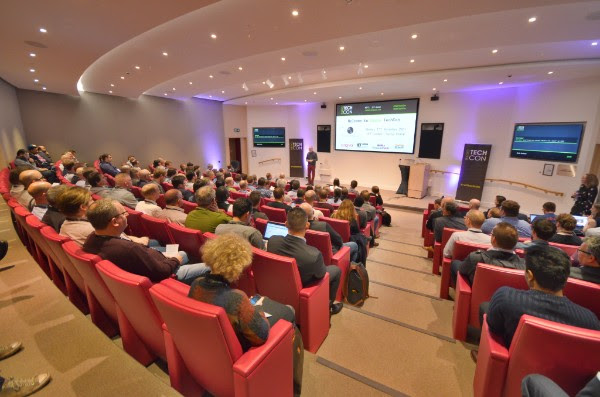
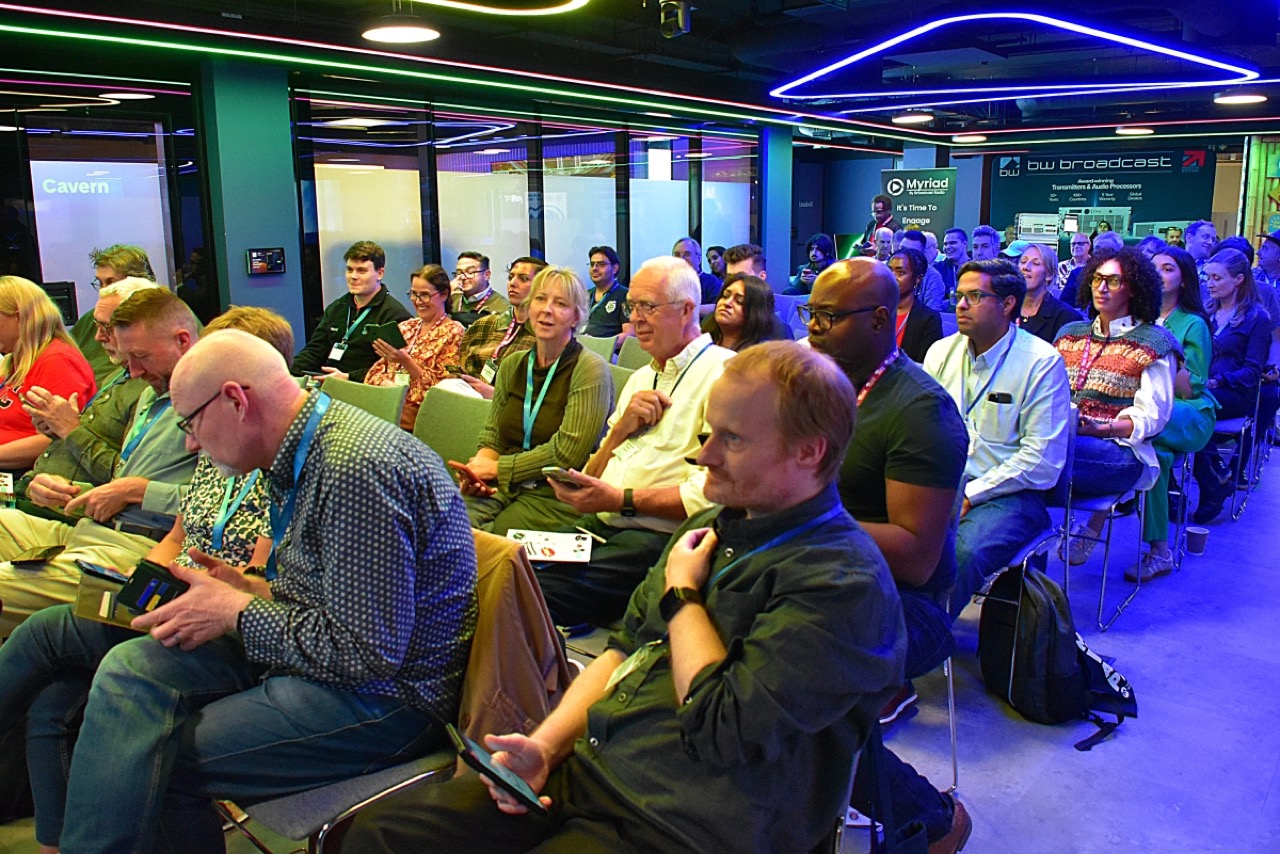
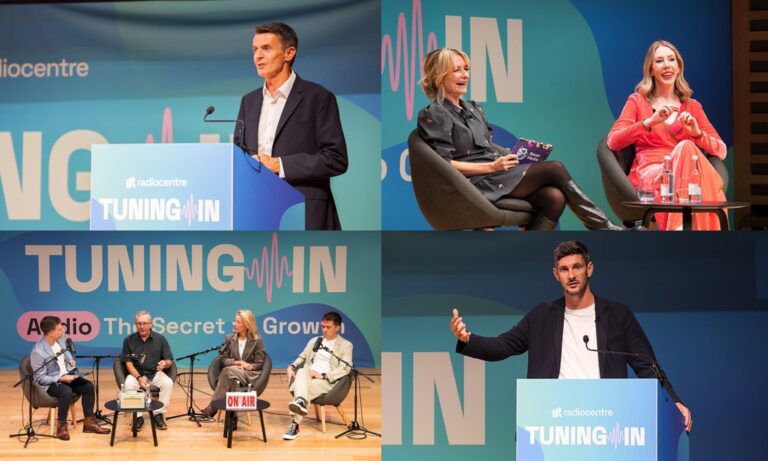
This was one of the takeaways for brands and media agencies attending Radiocentre’s Tuning In 2026 conference last week. Alongside significant new research making the case for increasing audio advertising budgets and discussion about radio’s role in boosting brand growth, attendees heard insights from some of the UK’s leading media industry figures.
Chaired by LBC drivetime host Tom Swarbrick, who was in jocular mood, Tuning In 2026 also offered a heart-on-sleeve live interview with acerbic comedian and podcast host Katherine Ryan and a behind-the-scenes look at the successful relaunch of KISS, as told by the presenters and commercial executives involved.
Kicking off the day, Radiocentre chief executive Matt Payton showed that UK commercial radio remains highly resilient, and is set to remain strong as it enters a new era of growth. He revealed new analysis that forecasts commercial audio listening to grow by 20% over the next decade, with advertising revenues also set to rise. “Media and marketing are under more pressure than ever to deliver on growth, profit and outcomes,” he said. “But the good news for advertisers is that audio can help meet those challenges and play a powerful, profit-driving role for brands,” he added.
In an entertaining session on the political outlook, Tom Swarbrick shared anecdotes of his time working in government and his experiences of political phone-ins, highlighting the value audiences place on trust, conversation and hearing different points of view. He believes this is something British politicians are increasingly tapping into.
Marketing effectiveness guru Les Binet took to the stage and presented results from the “Go Big or Go Home” report from the IPA which he co-authored.
He said that analysis of campaigns shows that 89% of profitability is down to the size of the advertising budget and only a small percentage is down to return-on-investment – the efficiency of that spend. He said focusing too heavily on ROI can end up reducing effectiveness and profit, by creating an “efficiency trap” and emphasised the need to invest in scale and creative advertising. He also advised “Start short, go long” and highlighted how radio continues to deliver both short-term sales and long-term brand building impact.
Andrew Tindall, chief growth officer at System 1, offered research showing that audio advertising, especially radio and podcasts, helps campaigns become more effective and profitable. He cited research among some 1,300 Effie award winning ad campaigns combining effectiveness data with System 1’s creativity measures. This found that audio builds brand trust, extends reach and attracts new customers while boosting pricing power. Emotion in audio advertising was found to be crucial. “Campaigns that include audio as a touchpoint are more likely to increase penetration,” he said. The research showed that emotional campaigns using audio were twice as likely to report incremental profits as emotional campaigns that didn’t use audio.
Comedian and presenter Katherine Ryan talked with Bauer Media chief creative officer for podcasts Lucie Cave about the latest series of What’s My Age Again?. In the Bauer-produced podcast show, now in its fourth series, she asks celebrities to take a blood test to reveal their “biological age” then invites them on to the show to discuss their lifestyle, sleeping and wellbeing habits. Katherine revealed that her own biological age was 77, though she was in her 40s. Many other celebrities are far younger than their biological ages.
Katherine said she loved podcasts as they brought the presenter and listener into a very close relationship. “People who like the podcast are super-invested in the host, in the subject matter, in any brands that the host advocates. It’s a really cool, intimate relationship,” she said.
A session brought together Les Binet and Andrew Tindall with Andria Vidler, Advertising Association president and former chief executive of National Lottery operator Allwyn UK. Interviewed by journalist and editor Omar Oakes for the Advertising Amplified podcast, they discussed the state of marketing effectiveness today.
Vidler – who previously held senior positions at Capital Radio and Bauer – said: “Increasingly marketing is about content and product, and therefore the money has got to go a lot further than it ever used to.” She said that radio had reinvented itself as it blended into audio, but emphasised that it’s still as powerful as it ever was, both from a sales activation perspective as well as a brand building perspective. She also talked about the trust and authenticity that are uniquely linked with stations and their presenters.
Radiocentre head of insight Donna Burns presented the results of Sound Profits, new research which showed how reallocating search and social budget into audio could generate £1m in additional profit for brands, based on an average media spend of £12.7m in the analysis. As part of the research, a survey of 6,000 adults also revealed audio’s priming effect, helping brands build familiarity, trust and credibility which gives consumers more confidence to click on social ads or paid-for links in search results.
In a session which looked behind the scenes at growth, Global’s director of commercial strategy and client development Mark Hatwell asked three leading figures about creating trusted and memorable connections with audiences through radio.
Sally Ardis, managing director of music brands for Global, emphasised the importance of creating two-way relationships with listeners, with familiar presenters, engaging audiences through platforms such as WhatsApp and shared moments such as Jordan North’s 6am-ers early morning breakfast club.
Eva Grimmett, chief strategy officer at media agency PHD, talked about a successful partnership with PG Tips to get the nation to stop for a cuppa. The brand became the official sponsor of PopMaster on Greatest Hits Radio hosted by Ken Bruce.
Meanwhile, Chris Herbert-Lo, head of strategy at media agency the7Stars, added: “Radio does shout widely, it reaches a broad audience and it allows us to reach them consistently and because of the cost-effective nature of radio, we can essentially be on air when we want which is great for an FMCG environment.”
The final session delved into Bauer’s successful re-launch of the KISS Brand, featuring KISS presenters Tyler West and Chloe Burrows, Anne-Marie Lavan, group marketing director at Bauer Media Group and Krissie Ford, director of client strategy at Bauer. Head of commercial marketing, George Butler facilitated the discussion which described how KISS sought to deepen its ties with the youth audience by using the brand platform Mischief Amplified and becoming a multi-media brand.
This year’s Tuning In made a strong evidence-based case for why brands should tap into radio and podcasts in the search for growth. Audio offers brands unrivalled opportunities to engage in two-way conversations with their consumers, build trust, drive sales and increase profits, thanks to the reach, resonance and results it consistently delivers.